
Introduction
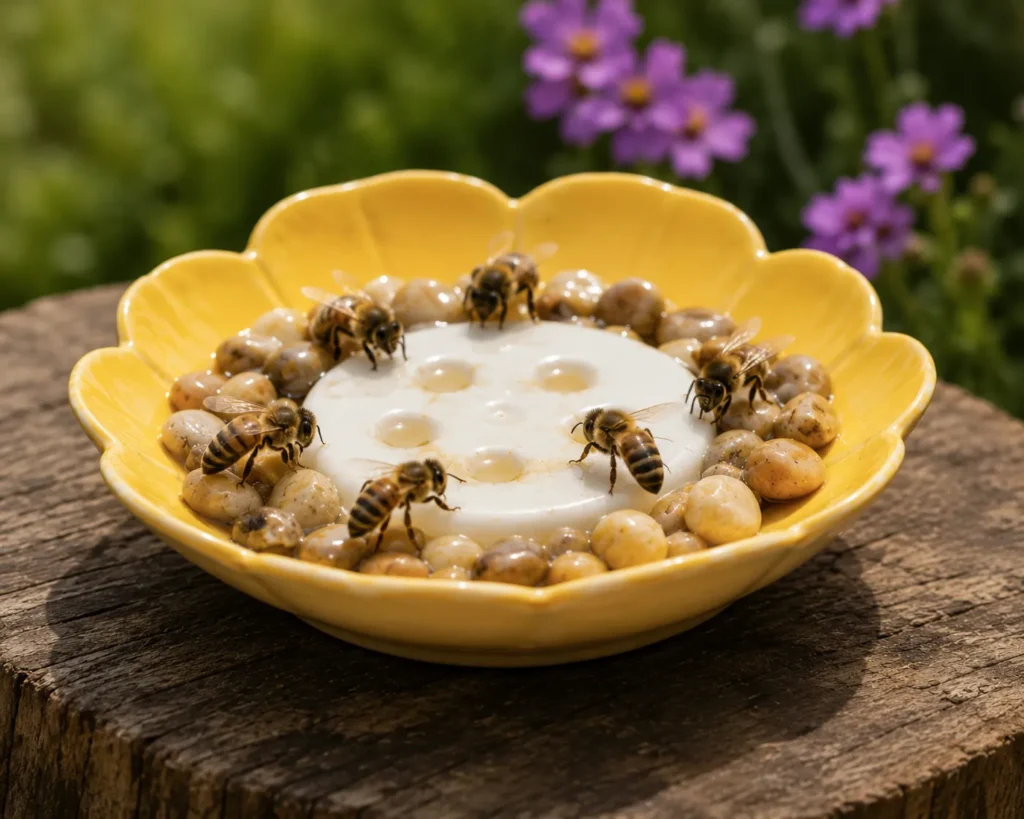
A bee feeder is an essential beekeeping tool used to provide supplemental food to honeybee colonies when natural nectar sources are limited. Beekeepers use feeders to supply sugar syrup, water, or nutritional supplements that help maintain colony strength during periods of scarcity.
Bee feeders play an important role in supporting healthy colonies, improving survival rates, and promoting successful honey production.
What Is a Bee Feeder?
A bee feeder is a device designed to hold and distribute food for honeybees. It allows bees to access supplemental nutrition safely and efficiently without causing excessive disturbance to the hive.
Feeders are commonly used during early spring, drought conditions, or periods when flowering plants are not producing enough nectar.
Why Is a Bee Feeder Important?
Supports Colony Survival
Feeders provide food when natural forage is unavailable.
Promotes Colony Growth
Adequate nutrition helps colonies expand and remain productive.
Helps During Seasonal Shortages
Bees receive a reliable food source during difficult periods.
Assists New Colonies
Newly established colonies can build strength more quickly with supplemental feeding.
How a Bee Feeder Works
Filling the Feeder
The beekeeper adds sugar syrup, water, or approved bee feed to the feeder.
Placement in the Hive
The feeder is installed inside or near the hive where bees can access it safely.
Bee Consumption
Worker bees collect the food and distribute it throughout the colony.
Colony Support
The additional nutrition helps maintain healthy bee populations and brood development.
Types of Bee Feeders
Entrance Feeder
Placed at the hive entrance for easy access and monitoring.
Frame Feeder
Fits inside the hive and replaces a standard frame.
Top Feeder
Installed above the brood chamber and provides large feeding capacity.
Boardman Feeder
A simple feeder commonly used for small colonies and beginners.
Benefits of Using a Bee Feeder
Maintains Colony Health
Provides nutrition during periods of low nectar availability.
Encourages Brood Production
Supports the queen’s egg-laying activity and colony growth.
Reduces Starvation Risk
Helps colonies survive harsh weather and seasonal shortages.
Improves Hive Management
Allows beekeepers to monitor and support colony needs effectively.
Best Practices for Feeding Bees
Use Clean Feeders
Regular cleaning prevents contamination and disease spread.
Provide Fresh Feed
Replace old or spoiled feed promptly.
Monitor Consumption
Check feeding activity to ensure bees are receiving adequate nutrition.
Feed When Necessary
Use supplemental feeding as a support tool, not a replacement for natural forage.
Importance in Modern Beekeeping
Bee feeders are valuable tools for both hobbyist and commercial beekeepers. They help colonies remain strong, healthy, and productive during challenging environmental conditions while supporting sustainable beekeeping practices.
Proper feeding management contributes to successful honey production and overall colony well-being.
Conclusion
A bee feeder is an important piece of beekeeping equipment that helps provide supplemental nutrition when natural food sources are limited. By supporting colony health and survival, feeders play a vital role in maintaining strong and productive honeybee colonies.
At Homely Harvest, we follow responsible beekeeping practices that prioritize bee health, colony strength, and the production of pure natural honey.